
Search Minnesota 72 Hour Booking
Minnesota 72 hour booking records show who has been arrested and booked into a county jail. Each of the 87 counties in Minnesota keeps its own jail roster with booking data that the public can search. These records are public under state law. You can look up 72 hour booking info through county sheriff websites, the statewide court system, or victim notification tools. Most booking records list the person's name, charges, booking date, and bail amount. Some counties post this data online in real time while others update once a day. This guide walks you through how to search Minnesota 72 hour booking records at every level.
Minnesota 72 Hour Booking Overview
Minnesota 72 Hour Booking Records
A 72 hour booking record is made when a person gets arrested and brought to a county jail in Minnesota. The jail staff logs the person's name, date of birth, charges, arresting agency, and the time they came in. This data goes into the jail's booking system right away. Minnesota law says that most of this booking data is public. Under Minnesota Statutes Section 13.82, the time, date, place of arrest, charges, and the name of the person taken into custody are all open to the public. That means anyone can ask for it.
The term "72 hour booking" comes from the rule that a person can be held in jail for up to 72 hours before charges must be filed or they must be let go. During that hold, the jail makes a full booking record. The record stays on file even if the person is released without charges. County sheriffs in Minnesota must keep a permanent log of every person booked into their jail. Minnesota Statutes Section 641.05 spells this out. The log must show the person's name, who sent them there, their home, the date, and when they got out. Sheriffs who fail to keep these records face a gross misdemeanor charge.
You can find the Minnesota Department of Corrections Public Viewer useful if the person has been sent to state prison. This tool lets you search by name or offender ID for adults under DOC jurisdiction. It shows custody status, facility, and sentence info. Keep in mind, the DOC system only covers state prison inmates, not those held in county jails on short bookings.
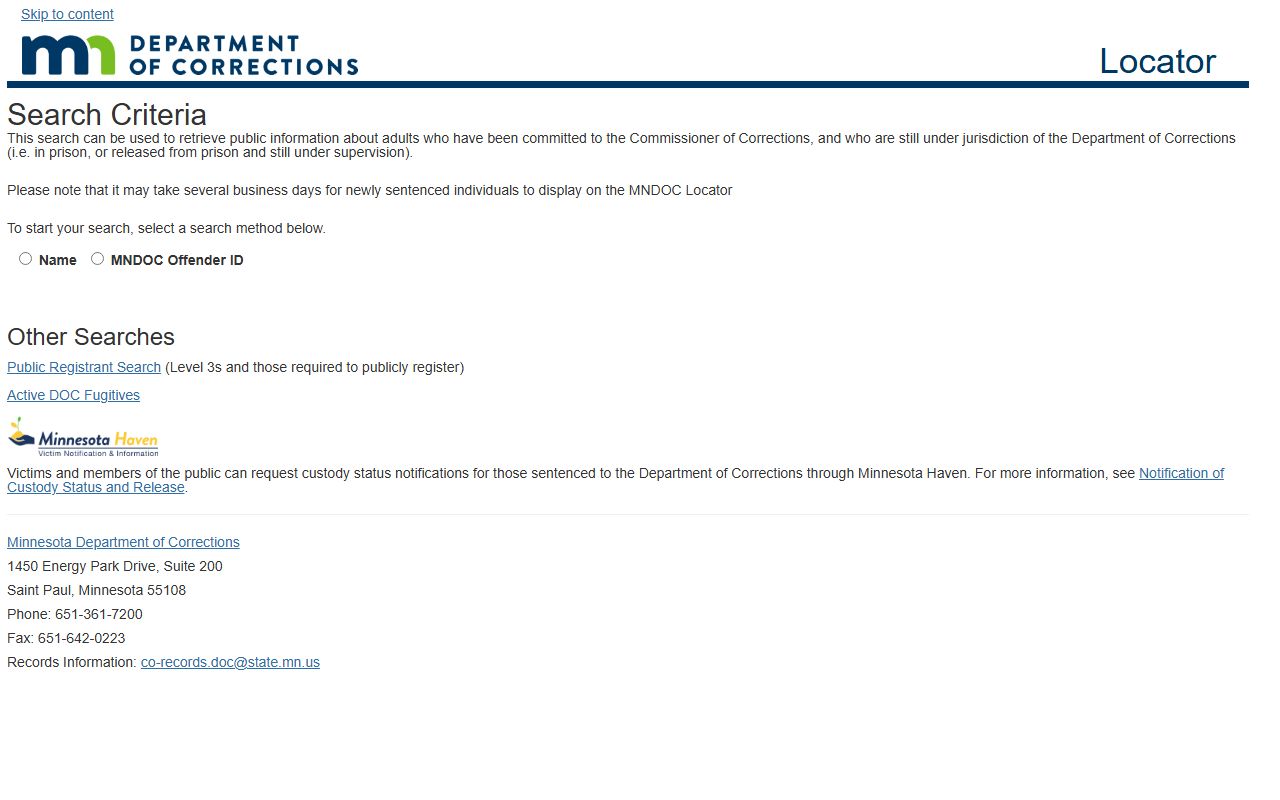
The DOC Public Viewer connects to the Statewide Supervision System, which holds over 50,000 records. It may take a few business days for new commitments to show up in the system after sentencing.
How to Search 72 Hour Booking in Minnesota
There are several ways to look up 72 hour booking records in Minnesota. The fastest method for most people is going to the county sheriff's website. Many Minnesota counties post their jail roster online with real time booking data. You can search by name, and the results show charges, booking date, bail, and sometimes a mugshot. Each county runs its own system, so the layout and detail varies. Hennepin County has a full searchable roster. Dakota County lets you look up inmates and warrants on separate pages. Smaller counties may post a simple PDF list that gets updated once a day.
The Minnesota Court Records Online system, called MCRO, gives you free access to court case records across all 87 counties. You can search by name, case number, or citation. It covers criminal cases, civil cases, and family court filings. MCRO shows party names, docket entries, hearing dates, and case status. Documents filed after July 1, 2015 may be available to view and download at no cost. This system does not show pre-conviction criminal data online. For that, you need to go to the courthouse in person.
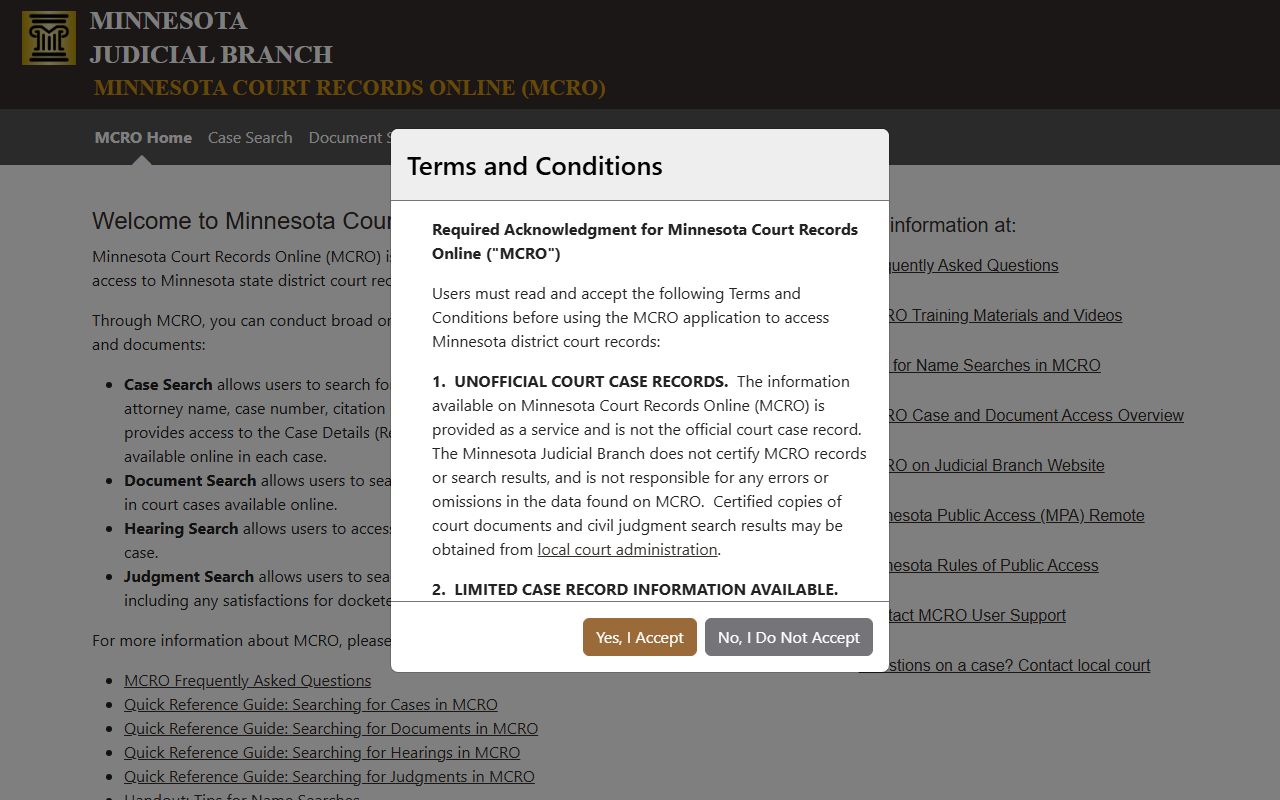
MCRO has four search tabs: Case Search, Document Search, Hearing Search, and Judgment Search. The Case Search tab is the most used one for finding arrest and booking related court records in Minnesota.
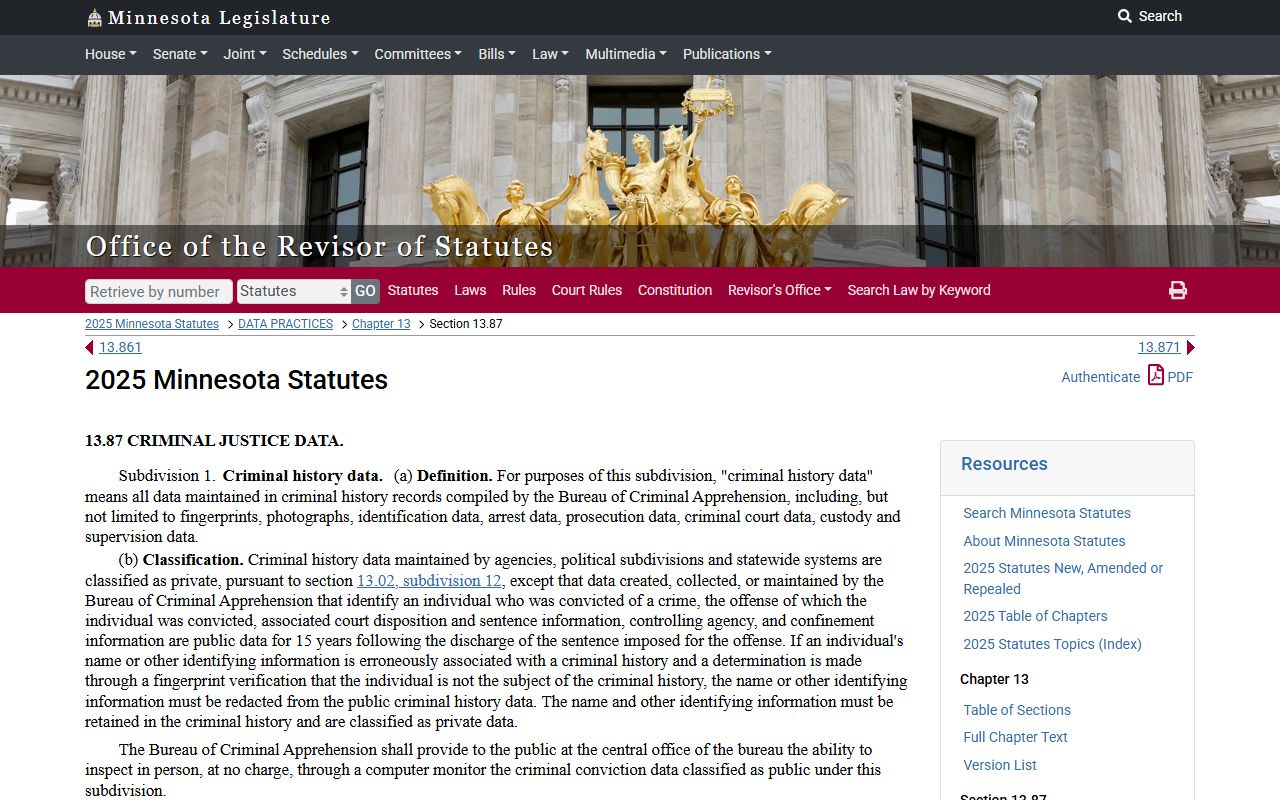
The BCA Criminal History Search is another free tool run by the Minnesota Bureau of Criminal Apprehension. It shows public conviction data, not arrest data. Under Minnesota Statutes Section 13.87, criminal conviction records are public for 15 years after the sentence is done. The BCA site shows the offense, court of conviction, date, and sentence. It does not show arrests where no conviction took place, juvenile records, or data from other states.
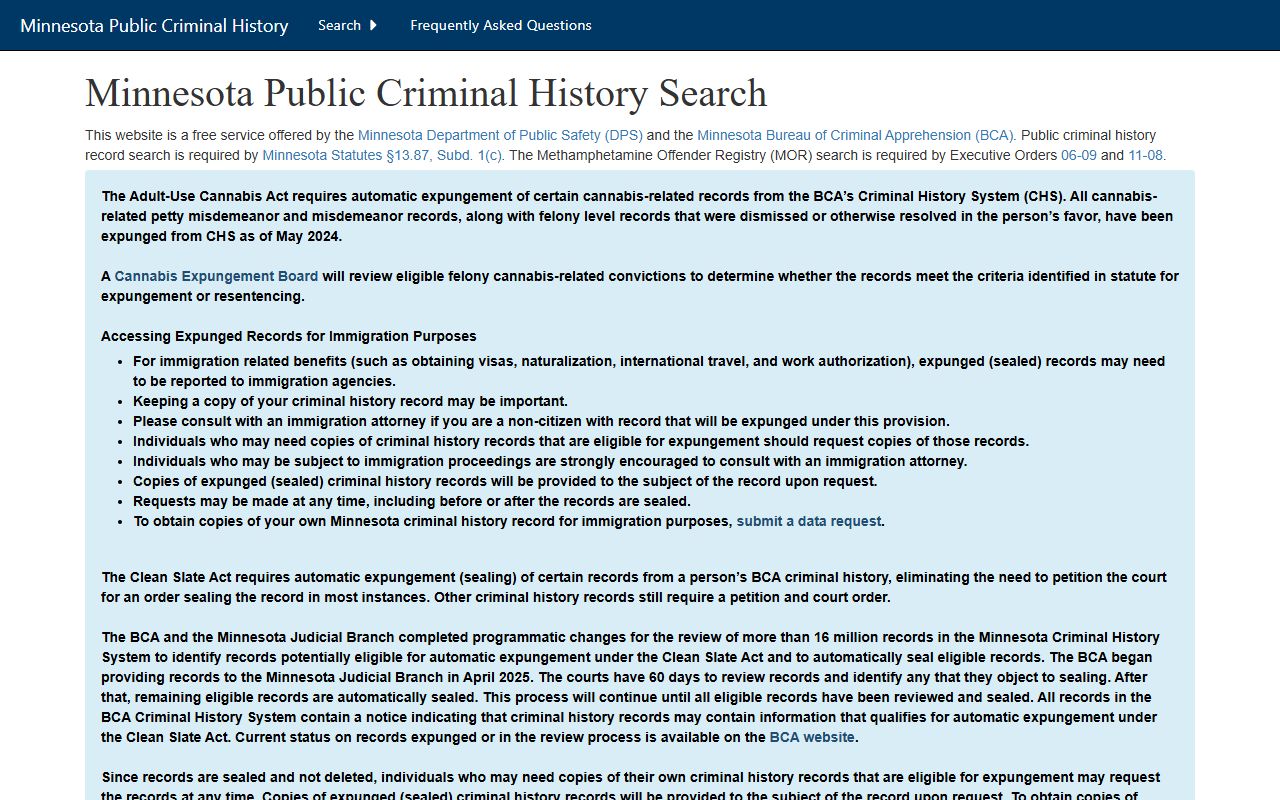
The BCA also runs the central repository for all criminal history data in the state, including arrest fingerprints and booking photos. For in-person lookups, visit the BCA office at 1430 Maryland Avenue East in St. Paul, or call (651) 793-2400.
Minnesota Booking Alerts and Notifications
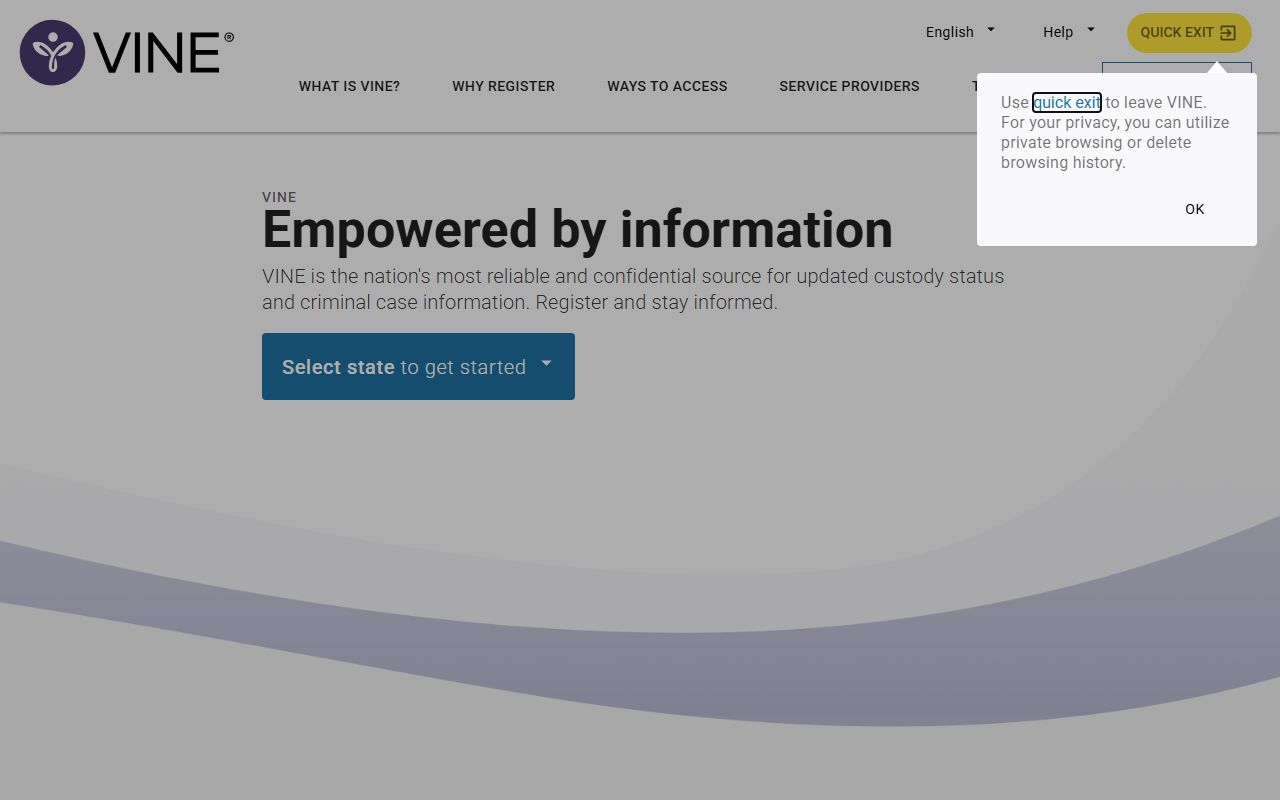
VINE is the main tool for getting alerts when someone is booked into or released from a Minnesota jail. It stands for Victim Information and Notification Everyday. The service is free and runs around the clock. You can sign up to get notifications by email, text, phone call, or through the VINE app. Many Minnesota county jails feed booking and release data into VINE in real time.
VINE covers county jail bookings and releases across Minnesota. You search by the person's name or offender ID. The system shows custody status, facility, and booking info. Once you register, you get an alert any time that person's status changes. This is a big help for crime victims and families. The toll-free support line at 1-866-277-7477 is open every day with operators who speak over 200 languages. All personal data you give VINE stays private and is used only for notification.
The Minnesota Office of Justice Programs also offers help with custody notifications. You can reach their Crime Victim Justice Unit at 651-201-7310 or 800-247-0390. They can answer questions about victim rights under Minnesota law, including the right to know when an offender is booked or released.
County Jail 72 Hour Booking in Minnesota
All 87 Minnesota counties run their own jail. The county sheriff is in charge of the jail and the booking process. When someone gets arrested in Minnesota, they go to the county jail for booking. Staff takes their info, runs a background check, does a medical screening, and assigns them to a housing unit. This is the 72 hour booking process. Minnesota Rules Chapter 2911 sets the standards that every county jail must follow. These rules cover everything from intake procedures to staffing ratios to record keeping.
Jail sizes in Minnesota range from very small to very large. Cook County's jail has just 5 holding cells for stays up to 72 hours, plus a 10-bed work release unit. Hennepin County runs the biggest jail in the state, handling thousands of bookings each year for the Minneapolis metro area. Crow Wing County can hold 286 inmates across 5 housing units. Clay County's facility in Moorhead has 220 beds with a special 18-bed behavioral health unit. No matter the size, every jail has to keep booking records and make public data available when asked.
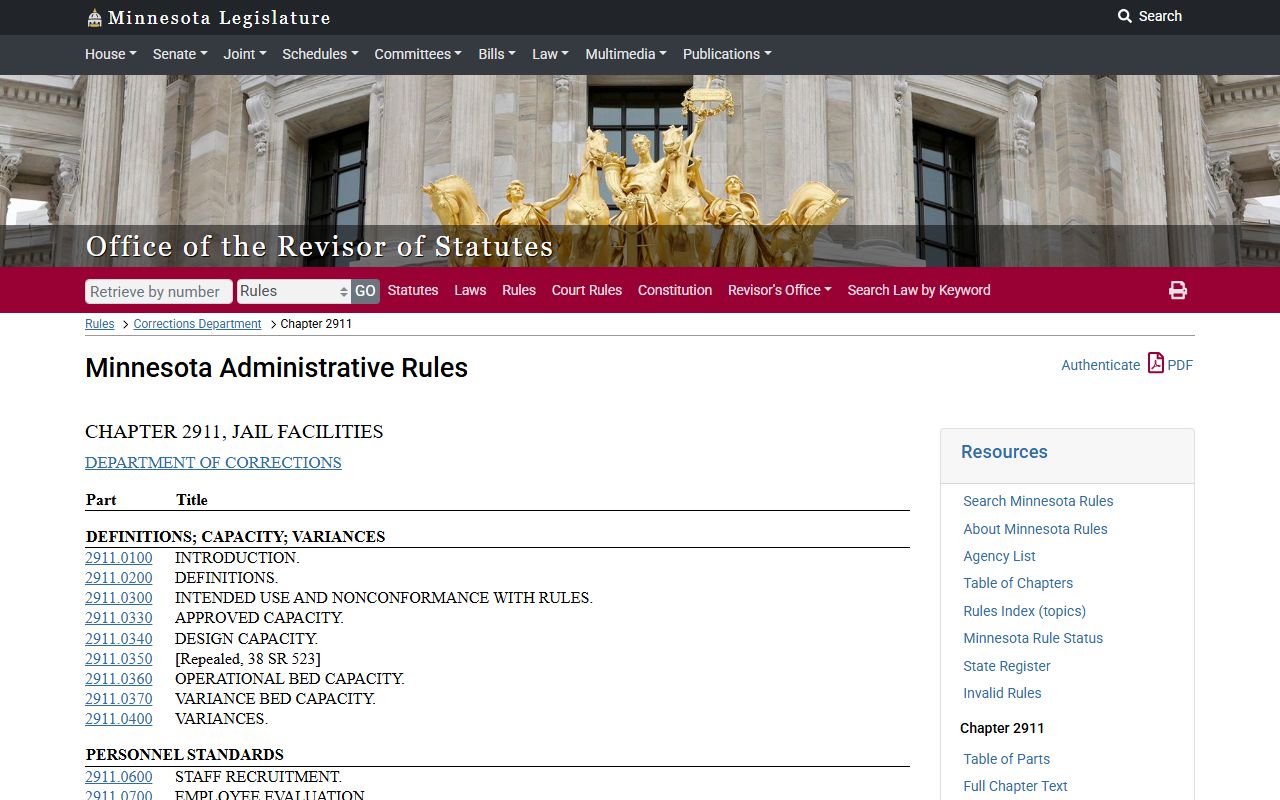
The Minnesota Department of Corrections inspects every county jail on a regular cycle. Facilities that meet all standards get inspected every two years. Those that fall short go on an annual cycle until they fix the issues. Inspection reports are public records. They show compliance ratings, approved capacity, and any problems found. Contact the DOC Inspection and Enforcement Unit at (651) 361-7146 for copies of jail inspection reports.
The Office of Justice Programs provides extra help for crime victims dealing with the booking and custody process. They run a financial assistance program for victims of violent crime, with online claim filing and a phone line at 651-201-7300.
Minnesota 72 Hour Booking and Public Data Laws
Minnesota has one of the strongest public records laws in the country. The Minnesota Government Data Practices Act, found in Chapter 13 of the Minnesota Statutes, starts with the idea that all government data is public unless a law says otherwise. This matters for 72 hour booking records because it means most arrest and jail data is open. The statute lists exactly what booking data is public: the person's name, age, sex, last known address, the time and date of arrest, the charges, the arresting agency, and whether they are still in custody.
Booking photos are also public data. A law enforcement agency can hold back a booking photo for a short time if releasing it would hurt an active case. But once that reason goes away, the photo is public. Section 13.85 deals with corrections and detention data. It covers info created because a person is locked up in a jail, prison, or other facility. Most of this data is private when it involves medical, psychological, or financial details not tied to the reason for confinement. But the basic booking facts stay public.
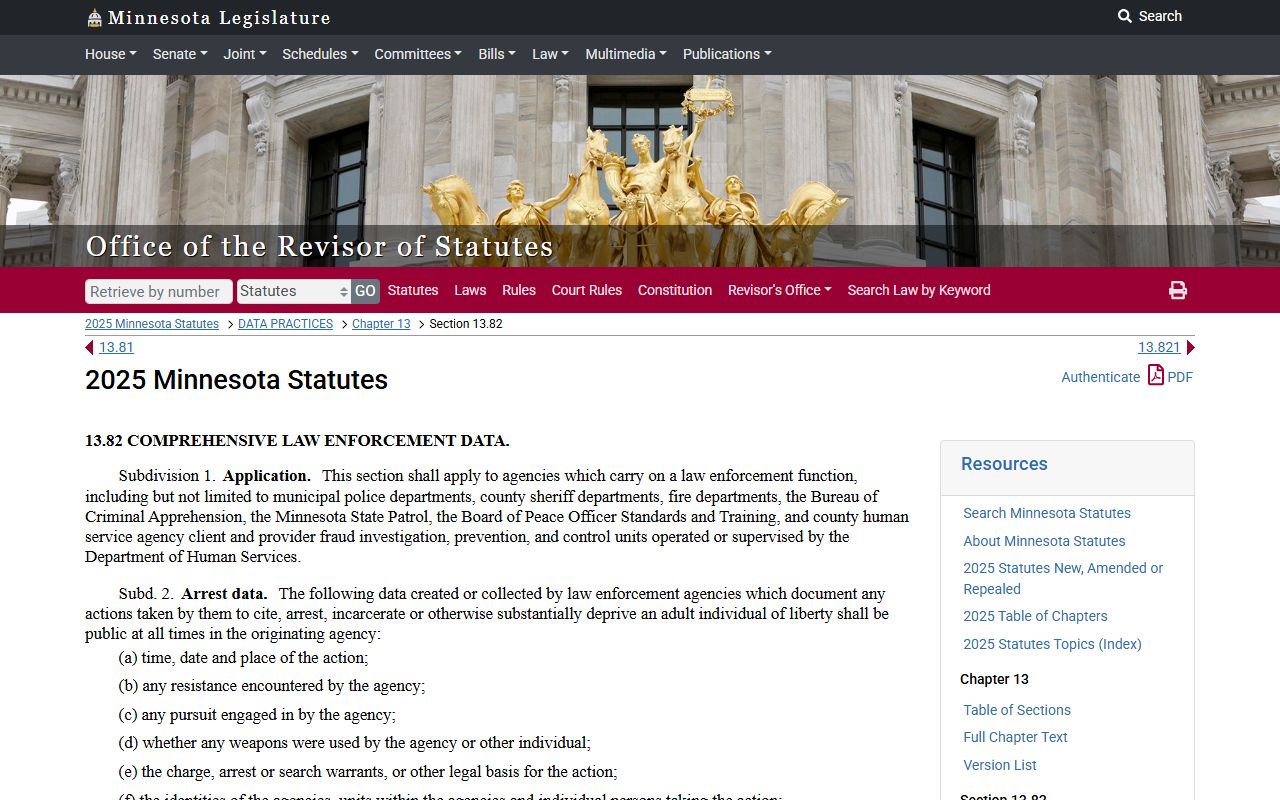
The public right to booking data in Minnesota has limits. Active criminal investigation files are confidential under Section 13.82, Subdivision 7. That means details about an ongoing case can be kept private while the investigation is still going. Once the case goes inactive, most of that data becomes public. A case becomes inactive when prosecutors decide not to pursue it, the statute of limitations runs out, or all appeals are done.
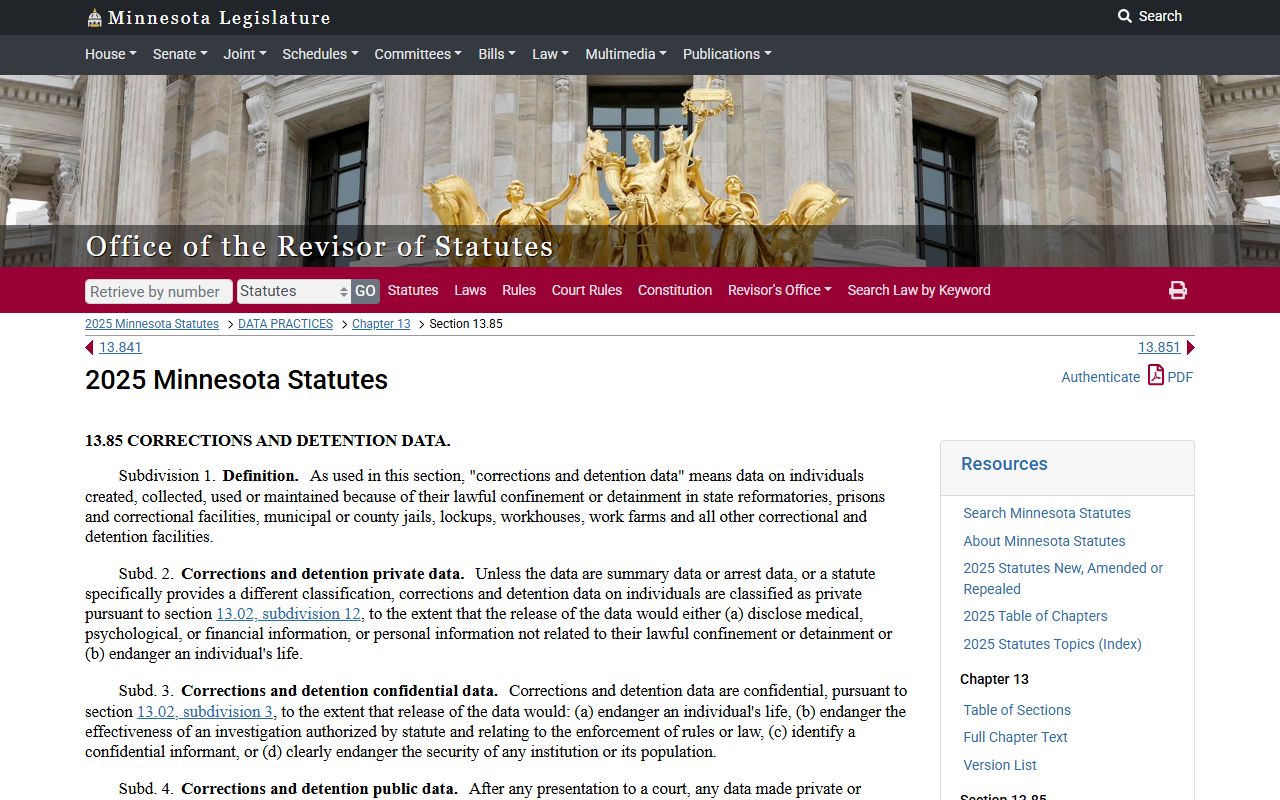
Data that could put someone's life in danger or threaten jail security can be classified as confidential under state law. This is a narrow exception, and it does not apply to basic booking facts like name, charges, and dates.
Minnesota Booking Record Resources
The Bureau of Criminal Apprehension is the central hub for criminal records in Minnesota. The BCA keeps the Criminal History System, which stores fingerprints, arrest photos, and conviction data from every law enforcement agency in the state. They also run the Predatory Offender Registration database with over 18,000 registrants. You can check the DOC Predatory Offender Search for information on Level III offenders who are subject to community notification.
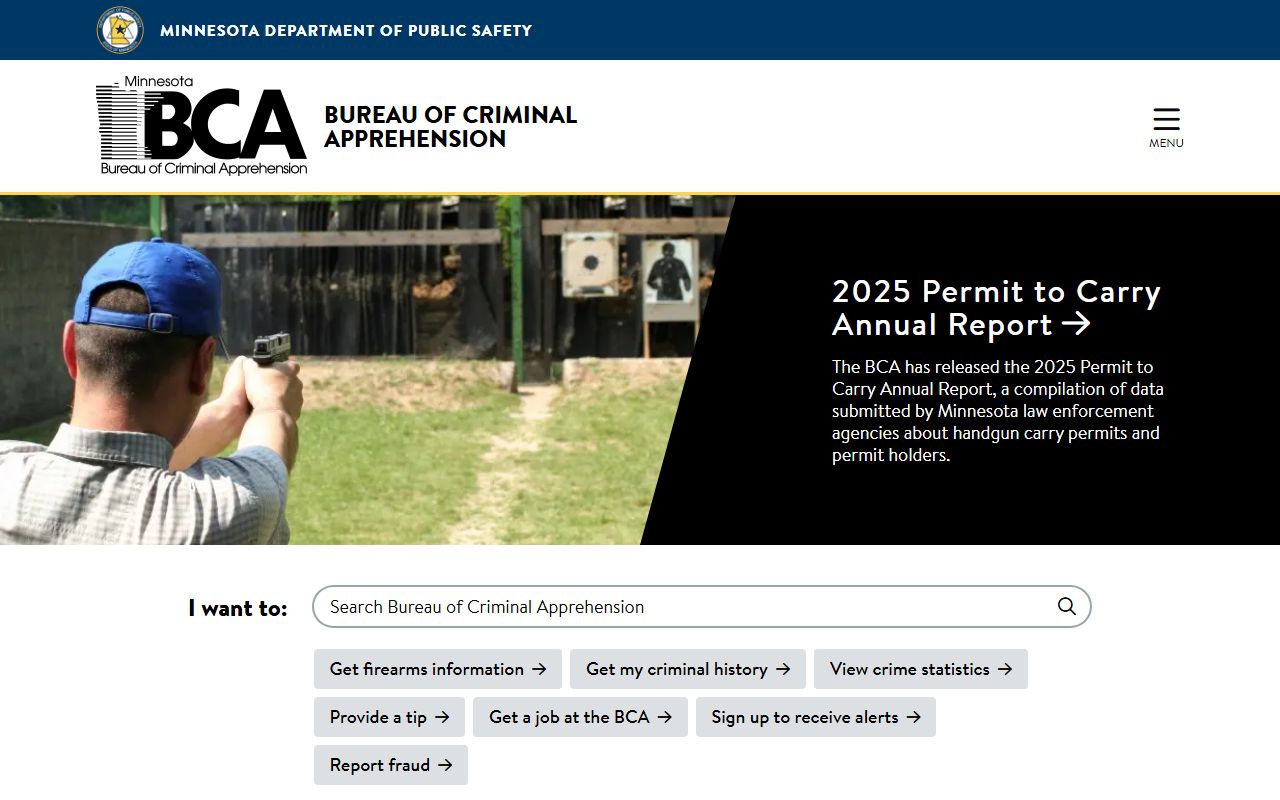
The BCA office in St. Paul also lets you search criminal history data in person at no cost on a computer monitor. Under Section 13.87, the BCA must keep a free public website with conviction data. The site must tell users what types of data are not available, including arrest data without convictions, juvenile records, and convictions older than 15 years from sentence completion.
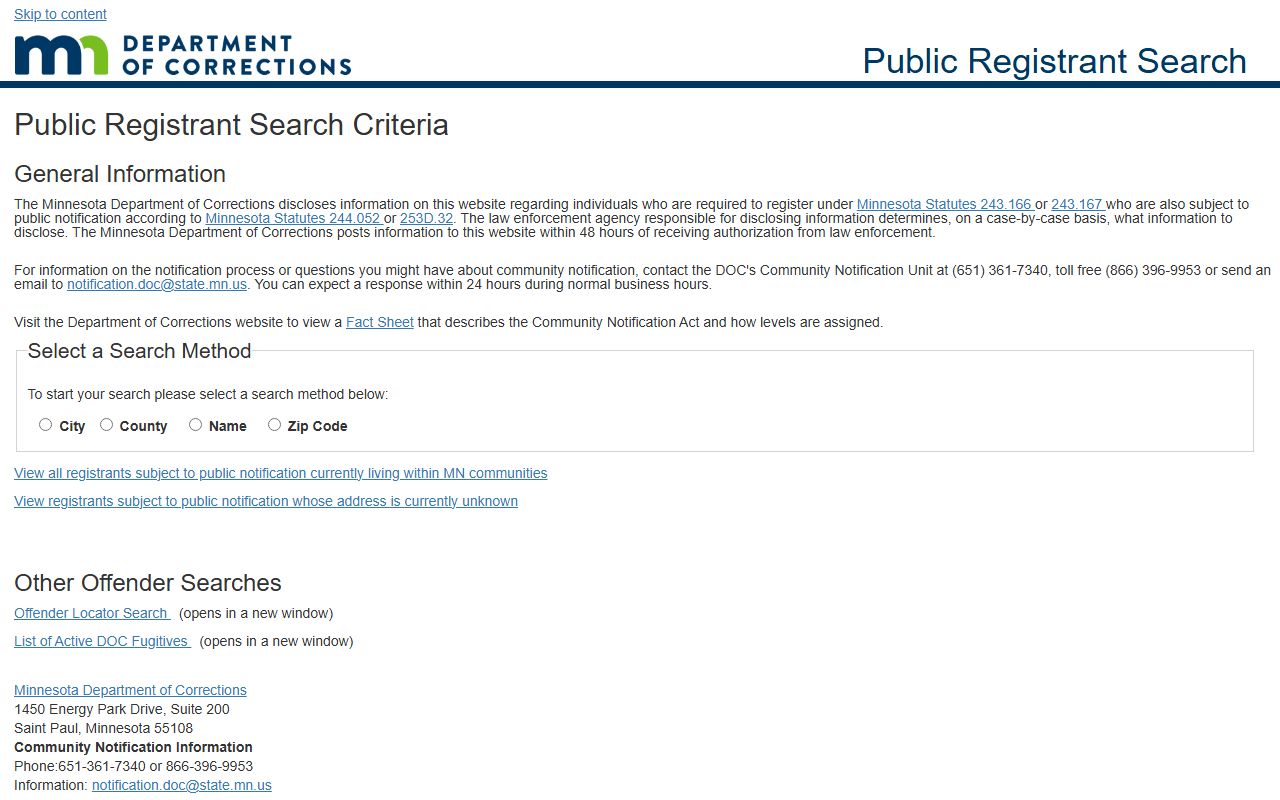
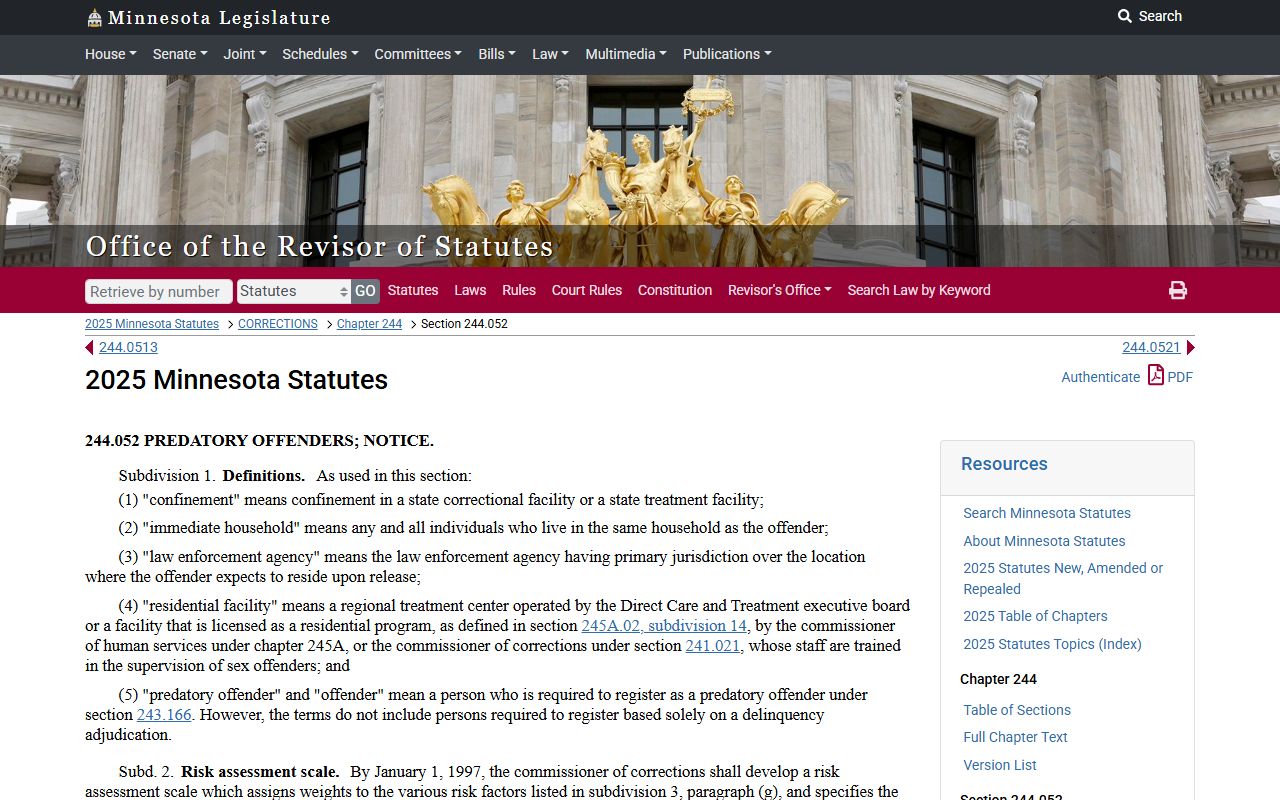
The DOC posts predatory offender information within 48 hours of getting the go-ahead from law enforcement. Risk levels range from Level I (low) to Level III (high). Under Section 244.052, Level III offender data gets posted online and shared with the whole community. The Community Notification Unit can be reached at (651) 361-7340 or toll-free at (866) 396-9953.
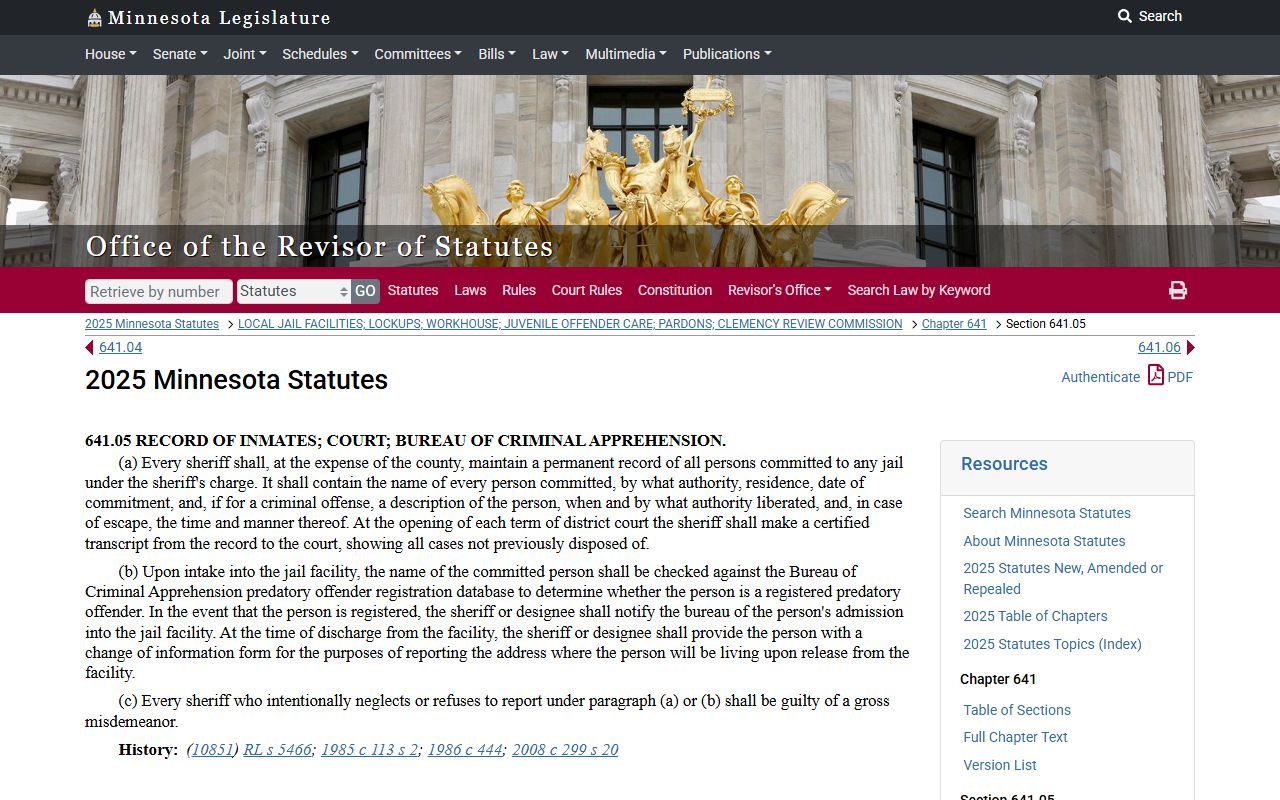
Every sheriff in Minnesota must check the BCA predatory offender database when someone is booked into jail. Section 641.05 requires this at intake. If the person is a registered offender, the sheriff must tell the BCA about the booking. At release, the offender gets a form to report where they plan to live. Failure to register under Section 243.166 is a felony with a minimum of one year and one day in prison for the first violation.
The Clean Slate Act has also changed how some Minnesota booking and criminal records work. The BCA and Judicial Branch reviewed over 16 million records to find those eligible for automatic expungement. Cannabis-related petty misdemeanor and misdemeanor records have been wiped from the Criminal History System as of May 2024. This means some older booking records tied to these charges no longer show up in public searches.
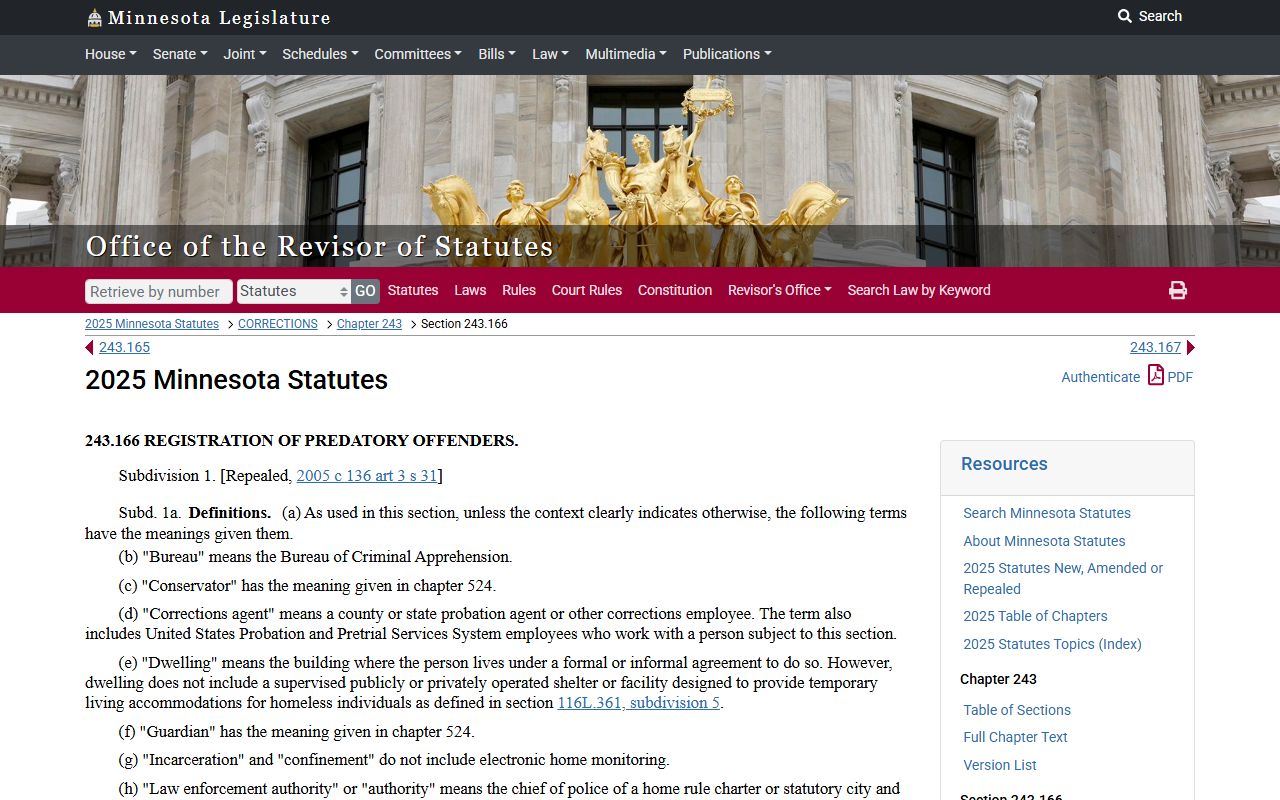
Registration rules under Section 243.166 require certain offenders to report any address change within 5 days and verify their information every year. Those without a fixed address must report in person weekly to law enforcement. DNA samples and fingerprints are also required for all registrants.
Browse Minnesota 72 Hour Booking by County
Each of Minnesota's 87 counties has its own jail and booking system. Pick a county below to find local booking records, jail roster links, and sheriff contact info for that area.
Minnesota 72 Hour Booking in Major Cities
Minnesota cities don't run their own jails. When someone gets arrested in a city, they are booked at the county jail. Pick a city below to find out which county handles booking and how to search records for that area.